Short Answer
A sweater labeled "merino wool" often sounds like an upgrade. Softer. More comfortable. Worth paying extra for.
Sometimes it is the better choice. But the word "merino" does not automatically mean warmer, longer-lasting, plastic-free, or better suited to every use.
Merino is a type of sheep's wool. Its main appeal is the availability of fine fibers that can feel comfortable against the skin. The finished garment still depends on fiber quality, yarn, construction, thickness, and any other materials mixed in.
What Is Merino Wool?
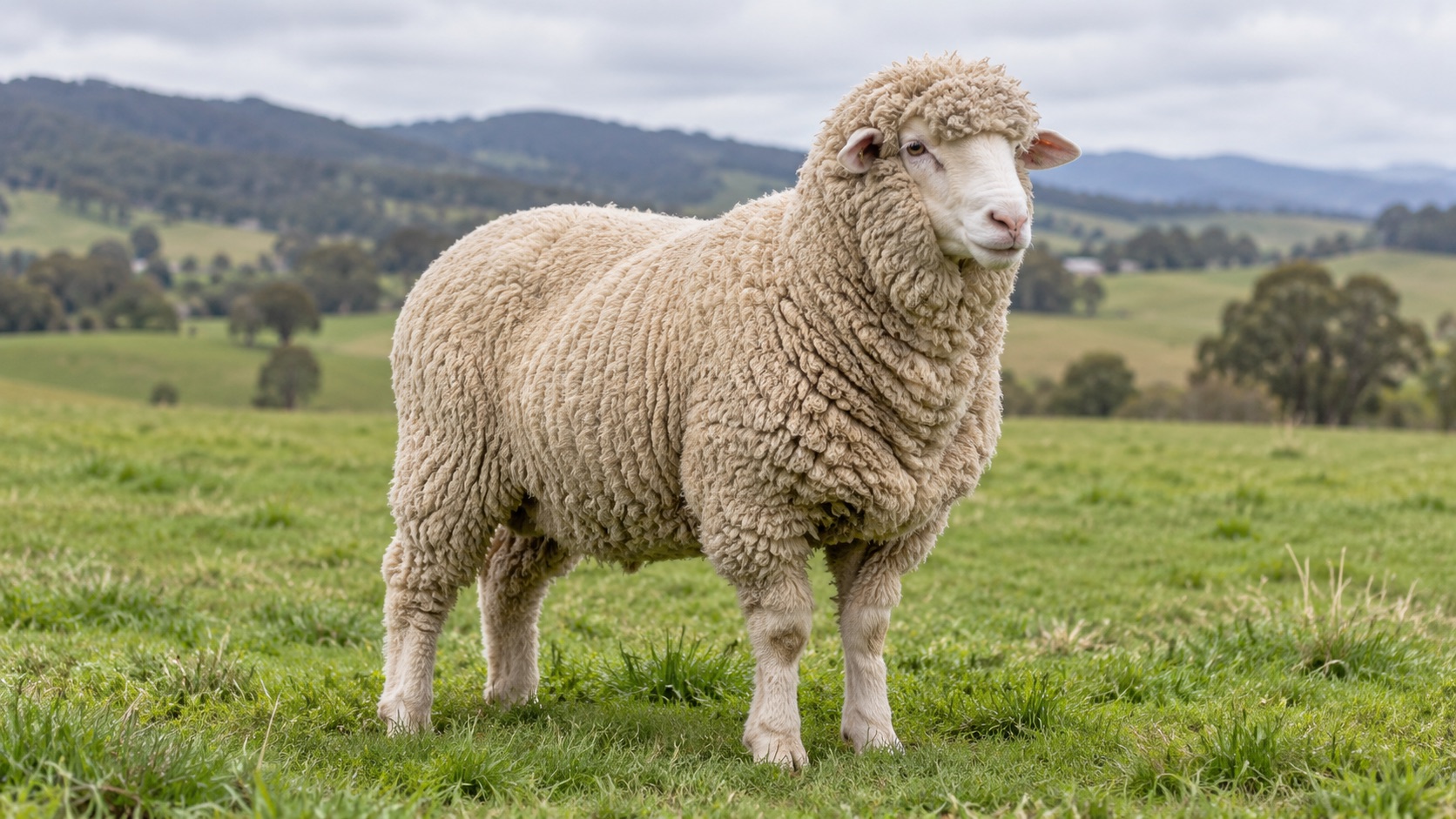
Merino wool comes from Merino sheep. Like other sheep's wool, it is a natural animal fiber.
"Regular wool" is a less useful description. It can refer to wool from different breeds, with different fiber diameters and characteristics. A label that simply says "wool" gives you less detail; it does not automatically identify an inferior material.
Woolmark's material guide distinguishes fine, medium, and broad wool by fiber diameter. Merino is associated with fine wool, but merino fibers also vary. Source: Woolmark material guide.
The comparison is therefore more specific than "good wool versus ordinary wool." You are choosing a material and construction for a particular job.
Why Does Merino Often Feel Softer?
Fiber diameter is an important part of how wool feels. It is measured in microns, or millionths of a meter.
Finer fibers bend more easily against the skin, which helps explain why fine merino can feel less prickly than coarser wool. But the breed name alone does not tell you the exact diameter or guarantee that you will find a garment comfortable. Source: Woolmark wool-fiber guide.
If a brand provides a micron measurement, use it as useful context rather than a complete quality score. Fabric construction, finishing, and your own preferences still matter.
For a base layer, neckwear, or a sweater worn directly against your skin, softness deserves close attention. For an outer layer worn over a shirt, it may be less important.
Is Merino Warmer Than Other Wool?
Not automatically.
Compare the actual garments: their thickness, construction, coverage, and fit. A lightweight merino top is designed for a different purpose from a substantial wool sweater.
REI's base-layer guidance distinguishes lightweight, midweight, and heavyweight fabrics, with thicker options generally providing more warmth. That makes weight a useful comparison within similar products, rather than assuming the merino label settles the question. Source: REI base-layer guide.
For fall shopping, ask what you need the piece to do. A thin layer under a jacket and a sweater for sitting outside on a cold evening are different purchases.
Does Merino Last Longer?
"Merino" is not a durability guarantee.
Yarn processing, fabric construction, friction, and care all affect how a garment wears. Woolmark's processing guidance explains that removing short fibers during combing can improve the appearance and wear performance of the finished fabric, including pilling behavior. That is a manufacturing detail a breed name does not reveal. Source: Woolmark wool processing.
Merino can also pill. The appearance of small fiber balls does not, by itself, tell you everything about a sweater's quality or remaining useful life. Source: Woolmark pilling guide.
Look at the garment as a whole: seams, cuffs, fabric integrity, and how it holds its shape. Softness is appealing, but it is only one part of the purchase.
Read the Full Blend
A product called a "merino sweater" or "merino sock" may contain other fibers.
These illustrative labels describe different fabrics:
| Composition | What it means |
|---|---|
| 100% merino wool | The stated fabric contains only merino wool |
| 80% merino wool, 20% nylon | Natural wool blended with synthetic reinforcement |
| 50% merino wool, 50% acrylic | Half wool and half synthetic fiber |
| 95% merino wool, 5% elastane | Wool with synthetic stretch fiber |
A blend may offer useful performance. But a shopper looking for natural fibers should be able to see the percentages and decide whether those tradeoffs fit their priorities.
For Purely Listed, "contains merino" and "100% natural-fiber fabric" are different claims. Neither one, by itself, verifies every thread, trim, or other component of the garment.
Does Merino Mean Better Sourcing?
The breed name does not establish animal-welfare practices, land management, or supply-chain traceability.
Those require separate information. The Responsible Wool Standard, for example, addresses animal welfare and land management, with requirements that help trace certified wool through the supply chain. It answers different questions from a softness measurement or fiber-content label. Source: Textile Exchange.
Look for a specific, verifiable claim tied to the product rather than relying on words such as "premium" or "responsible" alone.
Check the Care Label Before Buying
Do not assume every merino garment can go in the washing machine. Do not assume every other wool garment requires dry cleaning.
Follow the instructions for the finished item. Woolmark's care guidance recommends washing according to the garment's care claim and using a suitable wool detergent. Source: Woolmark care guide.
A beautiful sweater that does not fit your laundry routine may be a less useful purchase than one you can comfortably maintain.
When Is Merino Worth Paying For?
Merino is worth considering when next-to-skin comfort is a priority and the particular garment feels good, fits well, and discloses its composition.
Other wool can be an equally reasonable choice for sweaters, jackets, and layers where you like the texture and construction. An unspecified breed on the label is a reason to seek more detail, not automatically reject the item.
Before paying a premium, check the wool percentage, softness, fabric weight, construction, sourcing information, and care instructions.
Buy merino for the qualities you can identify in the garment. The name is useful information, but it is not a complete quality report.
Sources
- Woolmark material guide
- Woolmark wool-fiber guide
- REI base-layer guide
- Woolmark wool processing
- Woolmark pilling guide
- Textile Exchange
- Woolmark care guide
Browse brands by material, not marketing.
Purely Listed separates raw natural fibers, regenerated cellulosics, and plastic-based synthetics so shoppers can evaluate products with clearer material standards.